Delhi University’s contemporary law journal invites research papers, book reviews
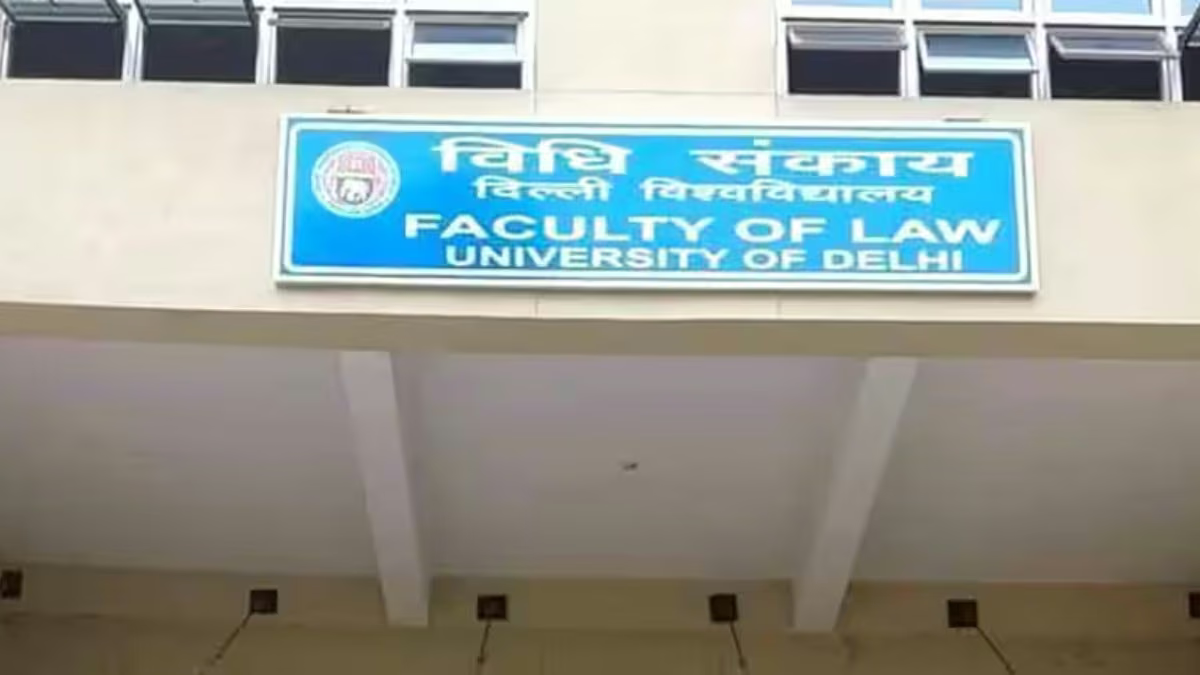
The Delhi Journal of Contemporary Law has invited for research papers, articles, notes, comments and book reviews for its forthcoming annual issue. The journal is published by Law Centre II of Delhi University’s (DU) Faculty of law. Researchers can submit their peer-reviewed paper by November 7.
The call for papers is open to academic professionals, PhD scholars and legal practitioners. Candidates who have the interest in contributing to contemporary discussions on law and public policies can submit their paper. Although LLM scholars can submit their papers only by co-authoring with academics and legal professionals.
The journal will not consider submissions from three-year LLB and five-year LLB students. It has also restricted authorship to a maximum of two contributors and stated that multiple submissions by the same author or group of authors will not be considered.
Also read | MIT Bengaluru launches quantum hub to enhance India’s deep-tech future
Delhi Journal of Contemporary Law’s prescribed format for papers
Scholars who want to submit their paper should follow the prescribed format for different categories set by The Delhi Journal of Contemporary Law. The articles and research papers should exceed 6000 words whereas notes and comments should have at least 5000 words. Articles for review must be a minimum of 1,500 words. Articles, notes and comments should be provided with an abstract of 250–300 words with at least four keywords.
The manuscripts submitted to this journal should be original and not submitted to any other journal. The editorial board has said that submissions will be screened for plagiarism as per UGC norms. It has also cautioned that “AI generated texts will lead to rejection of the paper”.
Manuscripts must follow the prescribed Times New Roman formatting, with 12-point font and 1.5 spacing for the main text. Authors must use footnotes rather than endnotes and follow the Indian Law Institute (ILI) citation style. The journal has warned that submissions failing to meet its guidelines may be rejected outright.