IIT Madras’s AquaMAP centre sets up drinking water, waste management systems in Tamil Nadu village
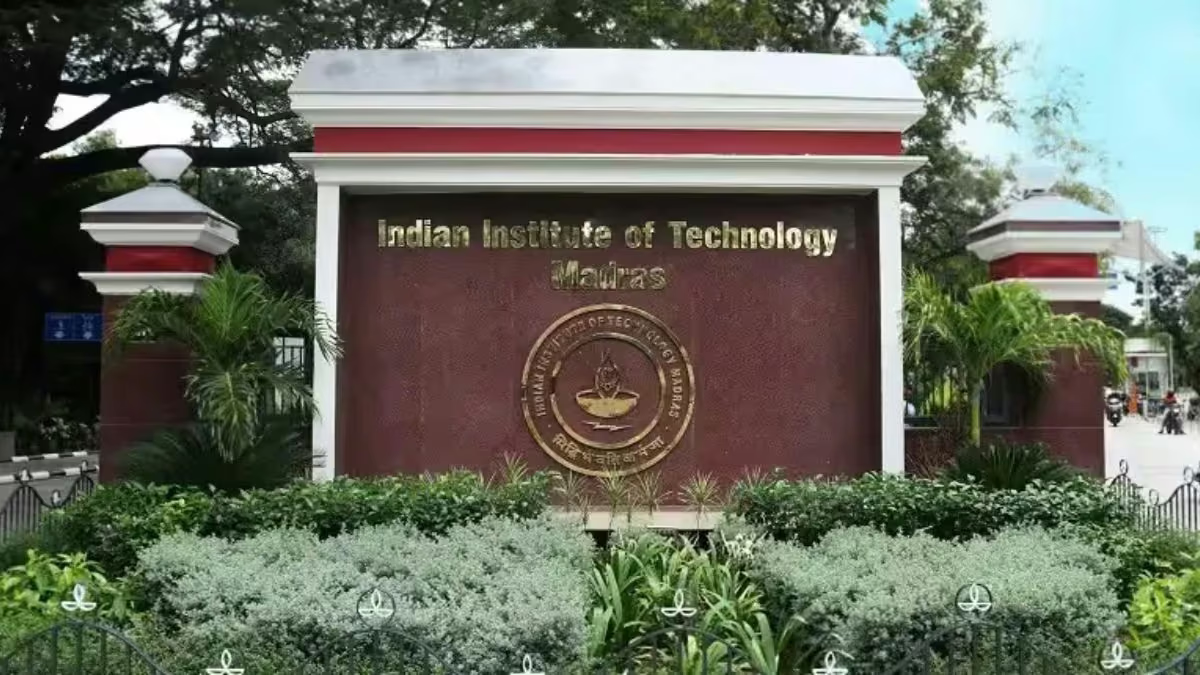
The Indian Institute of Technology Madras (IIT) Madras has executed a project on drinking water, a sustainable waste management project. It has been implemented in a Tamil Nadu’s village, Vallipuram. The initiative, led by its AquaMAP centre, has introduced water treatment facilities, digital water quality monitoring and waste processing infrastructure to improve sanitation and access to safe drinking water.
The project directly benefited more than 350 people through interventions at two government schools and a primary health centre (PHC). It was handed over to the local stakeholders on October 28, 2026. Vallipuram Panchayat is expected to oversee the maintenance and continued operation.
Funded through the Lien Environmental Fellowship of Singapore’s Lien Foundation, with support channelled through Nanyang Technological University (NTU), Singapore, the initiative combines technology with community participation and environmental awareness.
Also read | AI in medicine: IIT Hyderabad trains 15 Apollo MBBS students in research tools
Water treatment facilities
Government primary and high schools, and PHC now have three drinking water treatment units. The schools use ultrafiltration and ultraviolet treatment, while the health centre has reverse osmosis and ultraviolet systems.
Five water tanks and treatment systems have IoT-enabled sensors installed to track variables like pH, turbidity, water flow, and total dissolved solids. Applications supported by laboratory testing and sensor calibration can remotely check the data of these sensors.
AquaMAP coordinator Ligy Philip said the initiative had helped provide essential services to students and villagers, adding that the collaborative approach had “immense potential for replication across Tamil Nadu and the rest of India”.
Also read | IIT Bombay faculty raise questions over police action against student protesters
Waste management and impact
Recovering inorganic waste and composting organic waste, and battery-controlled waste collection vehicle are also included in the project. Campaigns to raise awareness discouraged burning waste, decreased the use of plastic, and promoted household waste segregation.
The school students and PHC visitors who participated in the survey were pleased with the quality of the water. In the project it is found that the household waste was reported to be 78.3%, whereas 83.33% of community members under the survey stated that they did not burn non-biodegradable plastic.
In two days, schoolchildren also gathered 300 kg of non-biodegradable waste, demonstrating the community's involvement in the project.
Vallipuram Panchayat president Sobiya Amul Parthasarathy said “the difference before and after their intervention is remarkable”, for the village, particularly through safer drinking water and improved waste management.