Jamia forms committee as students demand union elections
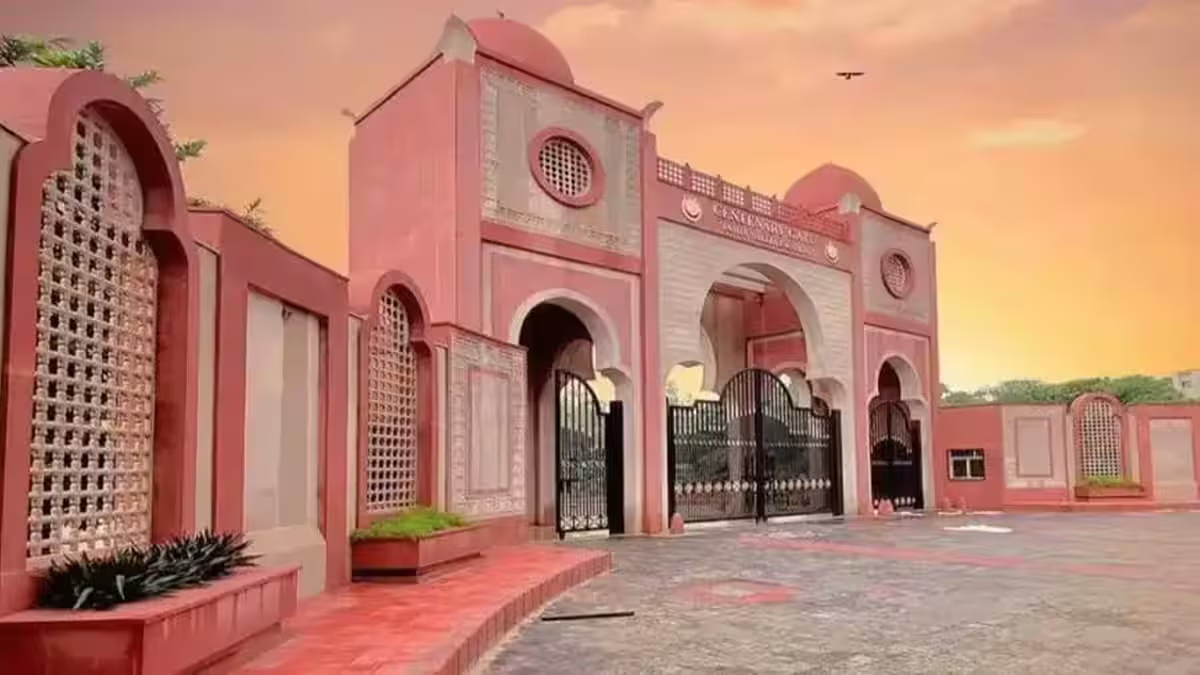
Jamia Millia Islamia (JMI) has formed a seven-member high-level committee to interact with protesting students, look into their demands and help restore normalcy on the campus. The decision comes days after demonstrations and an indefinite hunger strike demanding the restoration of the university's students' union, which has been non-functional since 2006.
The committee was formed following a meeting of senior university functionaries on October 18, according to an official press release. The move comes amid an intensifying standoff between the administration and protesters, who allege that they were violently evicted from the campus and detained on October 17.
The hunger strike was on its seventh day on October 18. The protesters are demanding restoration of the Jamia Millia Islamia Students’ Union (JMISU), withdrawal of disciplinary action against students who were part of the agitation and an end to further punitive action. They have also demanded the resignation of the chief proctor over the episode of their removal from the campus.
Also read | NCAHP notifies new rules, CAC to supervise allied healthcare regulations in states without councils
JMI’s high-level committee to address students' grievances
The seven-member panel includes five deans and other senior faculty and university officials. The university was mandated by the press release to engage the protesters in talks, look into their demands and establish ways of restoring peace and normalcy on campus.
The committee comprises of Iqtidar Mohd Khan, dean Faculty of Humanities and Languages, Luqman Ahmad Khan, dean Faculty of Life Sciences, Zubair Meenai, dean Faculty of Social Sciences, Neelofar Afzal, dean students welfare, Tanuja, dean academic affairs, Mini S Thomas, Department of Electrical Engineering and Simi Malhotra, Department of English.
The meeting prior to the formation of the committee was attended by Vice-Chancellor Mazhar Asif, the Registrar Md Mahtab Alam Rizvi, the controller of examinations, deans of faculties, chief proctor, hostel provosts and other officials of the university.
In its statement, the administration said it was committed to resolving the matter through ‘constructive dialogue and deliberation’ and that the cooperation of students and other stakeholders was key to the restoration of normalcy. The committee also requested all the stakeholders and students to “work towards safeguarding the name, reputation, and high national and international ranking of the 106-year-old university.”
Also read | Maharashtra clears five-year ‘CM-SRISTHI’ scheme to boost research, innovation in higher education
Students seek restoration of union election
The university also supported its existing subject association election system. In this arrangement, the students elect three office-bearers-vice-president, general secretary and joint secretary-through secret balloting in their respective departments and centers.
A university-wide elected students' union should not be replaced by departmental associations, according to the demonstrators. They mentioned that an elected body would give students a forum to voice issues pertaining to academics, administration, and campus life.
During a press conference on October 18, the students reaffirmed their call for JMISU to be restored immediately. Additionally, they demanded that no more punitive measures be taken and that the disciplinary actions against demonstrators be withdrawn.
On October 17, after students claimed to have been forcibly removed from the campus, the unrest grew more intense. The All India Students’ Association (AISA) reportedly told The Tribune that early that morning, demonstrators were driven off campus, and that access to the university was then restricted. Additionally, during the ensuing protests, the group claimed that students were detained by police.
Jasim Khan and Ebin Basil were suspended for six months and one year, respectively, according to the Indian Express. The demonstrators have demanded that the chief proctor be held accountable for the incidents and that the disciplinary action be revoked.
In 2006, Jamia cancelled its university-wide student union elections due to repeated incidents of violence on campus, attacks on faculty members and disturbances in class. The administration turned down a petition for re-election without instructing the university to hold elections, citing the history of unrest and the order of the Delhi High Court in December 2022.