Shikshanuragi Association writes to Bengal CM seeking permanent TET exemption for pre-TET teachers
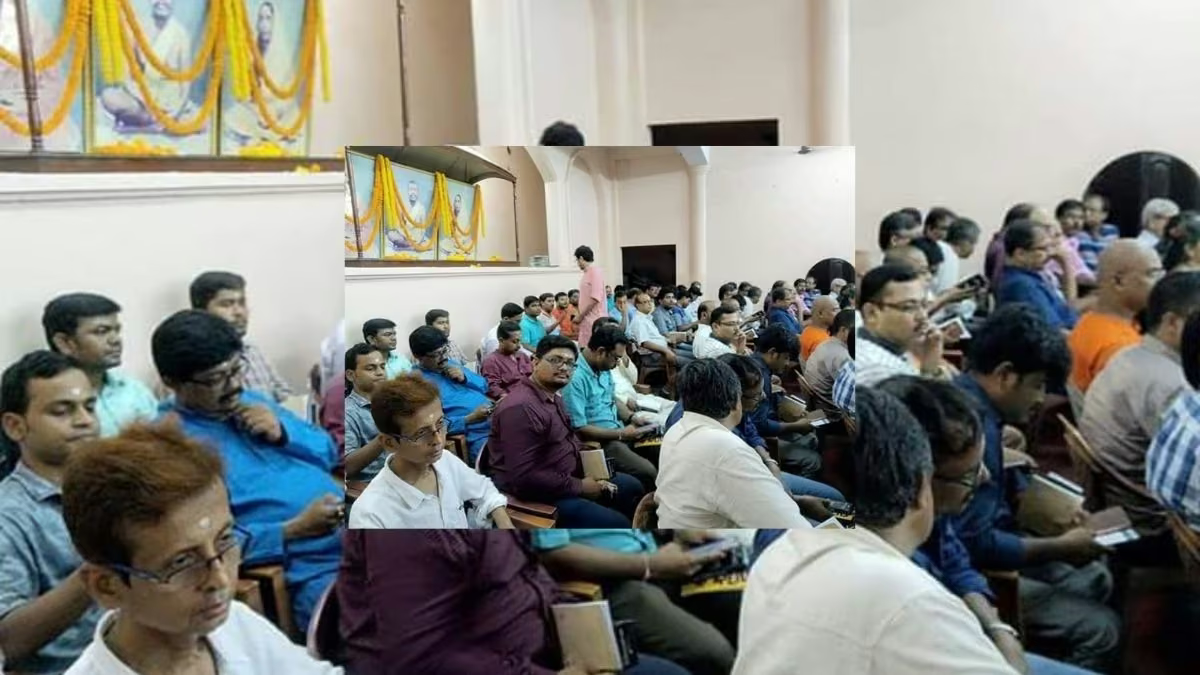
The Sikshanuragi United Association (SUA) has asked the West Bengal government to take action in the ongoing uncertainty regarding the Teacher Eligibility Test (TET) requirement for teachers appointed before the current TET-based recruitment process was introduced.
In a letter addressed to the chief minister and chief secretary of West Bengal, Kinkar Adhikari, the association’s general secretary requested protection for teachers who were recruited under the rules in effect at the time of their appointment.
The association has raised concerns about teachers who were appointed in the “Normal Section” before the Upper Primary recruitment system was introduced in 2016. The appeal was made by the association after the Supreme Court judgments came on TET requirements for current teachers.
SUA demanded that teachers who joined the government service after the qualifications were met at that time should not have to face the uncertainty over their employment and career progression.
Association seeks West Bengal assembly resolution
The letter by Sikshanuragi United Association states that “ It is therefore essential that the Government of West Bengal place the actual historical recruitment structure of these Normal Section teachers, as well as other Primary and Upper Primary teachers appointed under the pre-TET rules, before the Union Government and clearly seek appropriate protection for them.”
Sikshanuragi United Association has asked that protection should cover employment, salary, promotions, and other service-related benefits. The association has also pointed to Tamil Nadu as an example for West Bengal.
According to reports, the Tamil Nadu Legislative Assembly passed a resolution on August 25, 2026, seeking permanent TET exemption for teachers who were appointed before August 23, 2010, along with changes to the Right to Education Act, 2009. Similarly, the association has pleaded with the West Bengal legislative assembly to adopt similar provisions by requesting action from the parliament.
The letter addressing the issue says, “A clear State-level intervention and a formal recommendation to the Union Government can provide a strong institutional voice for the legitimate concerns of these teachers.”