BITS Pilani revises undergraduate curriculum, with focus on AI, research and wellbeing
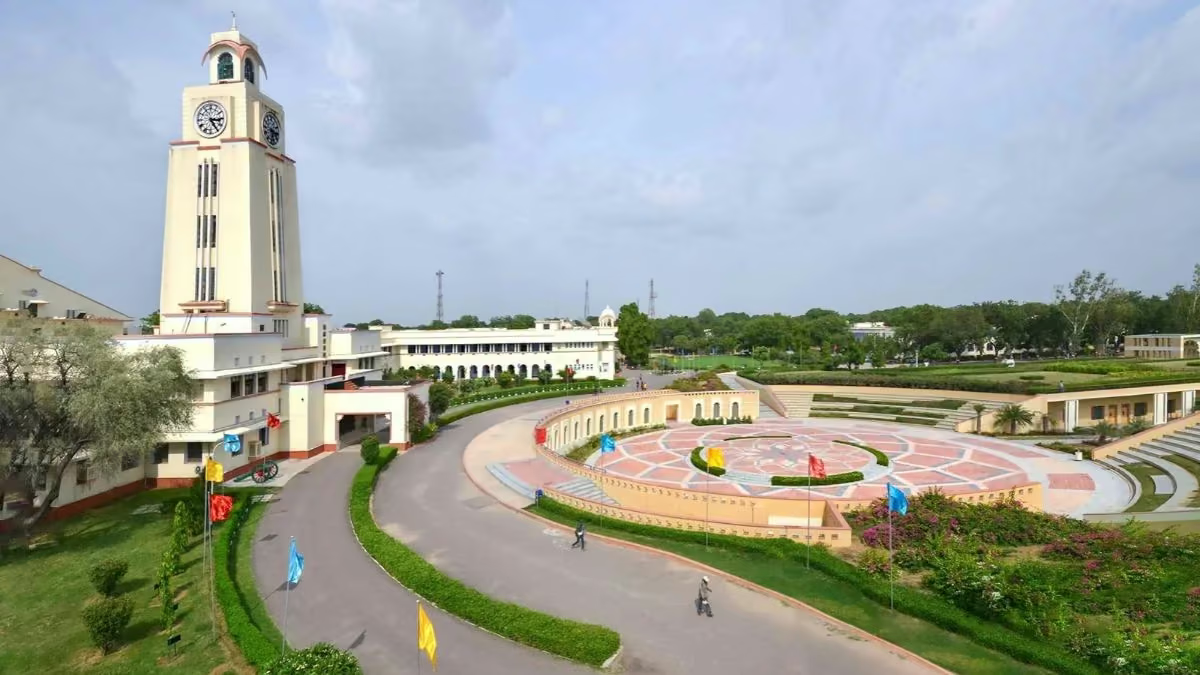
BITS Pilani has revised its undergraduate curriculum to reflect the impact of artificial intelligence (AI) on education, reinforce practical learning and focus more on student wellbeing. The received course curriculum includes expanded research opportunities, entrepreneurship and structured activities focusing on physical and mental wellbeing.
The institute will spend over Rs 50 crore this year to upgrade undergraduate laboratories across its Pilani, Goa and Hyderabad campuses, vice-chancellor Ramgopal Rao said in a post on X on October 26.
The revised curriculum aims to help students develop independent thinking and problem-solving skills as AI makes knowledge more accessible. “AI has democratised access to knowledge,” Rao wrote on his X post, explaining the need to prepare students to build and develop ideas independently.
Also read | UPSC postpones principal, vice-principal recruitment exam to January 2027
Research and wellbeing
BITS Pilani revised curriculum builds on the undergraduate research opportunities programme (UROP), Advanced UROP and Super UROP, allowing students to progress from introductory research to more complex projects and thesis work. Students will also be funded to design and test solutions to social problems as part of their studies.
The Practice School will provide entrepreneurship, research and industry practice opportunities with industry mentorship on how to turn ideas into products and ventures. The curriculum is not only broad in science, engineering, computing, humanities, arts and social sciences, but also puts more emphasis on design, prototyping, experimentation and project-based learning.
BITS Pilani has come up with around 60 hours of structured participation in activities ranging from fitness, creativity, wellbeing workshops, social conduct and community engagement. The initiative will integrate physical and mental wellbeing into the undergraduate experience.
Rao said the review of the curriculum involved about 250 faculty members from departments and campuses. “Inputs from recruiters and alumni, along with feedback from student surveys, have helped shape the changes”, he also added.
The new revised course structure will help students to have a full academic load including self-study and self-reflection, while also allowing them “building healthy habits and meaningful relationships alongside their academic work”.