IIT Ropar introduces PhD model without thesis, focuses on products and startups: Report
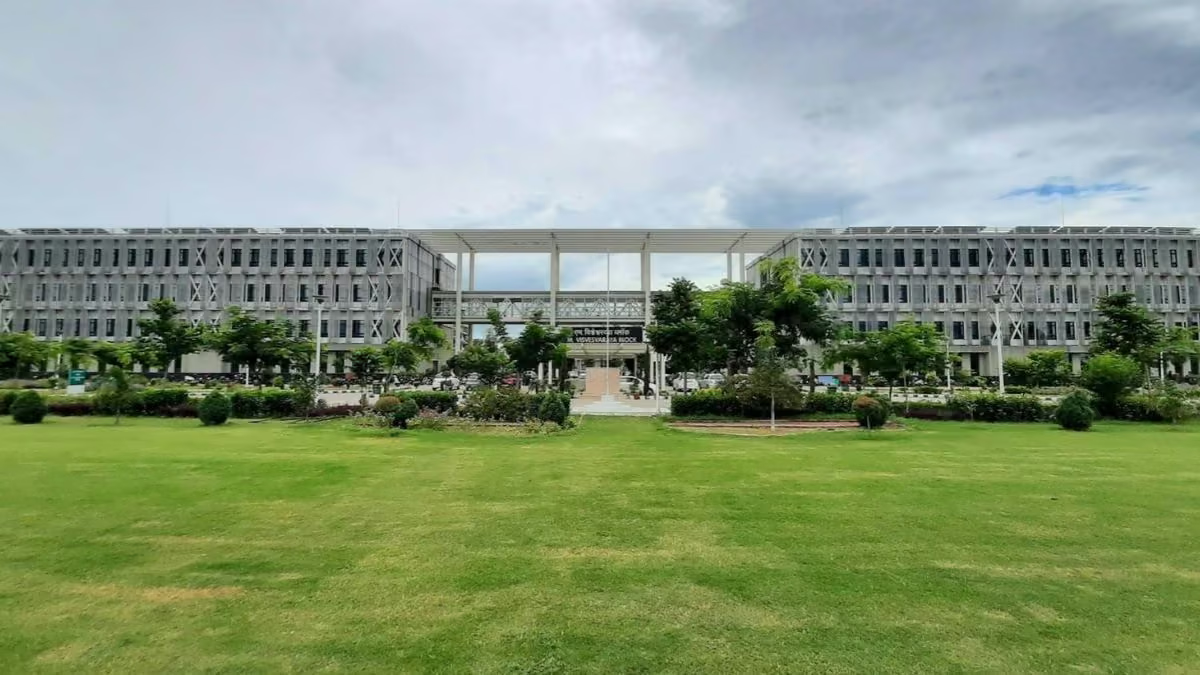
Indian Institute of Technology (IIT) Ropar has introduced a new PhD coursework that allows scholars to pursue products, patents and startups as the main outcomes of their research, moving away from the conventional thesis-based approach.
The product and startup driven doctoral degree model aims to connect the PhD research with the industry requirements and their practical applications. The move was proposed by institute director Rajeev Ahuja as an alternative way to assess research achievements, reported India Today.
The new way of pursuing doctoral degree raises questions about how to measure the success at the doctoral level, and whether practical innovation can replace traditional academic publications and long theses.
Also read | Delhi DoE proposes monthly basic salary and DA for guest teachers
Innovation-driven PhD at IIT Ropar
Under the new approach, a scholar can earn a degree by developing a new product, patenting an invention, starting their own venture or transferring technology to industry. A scholar “does not need to write any PhD thesis” under the new model of doctoral degree, Ahuja said to India Today.
Ahuja explained the new model for candidates as “you have freedom,” Scholars can only sell their launched product and receive Rs 10 lakh. He also added that the scholar should show the entrepreneurship skill can earn the PhD degree.
The model seeks to promote research with concrete results and at the same time relieve the pressure for publishing articles. “The pressure to produce papers can, in some cases, encourage practices such as data manipulation and plagiarism, ultimately leading to retractions,” Ahuja told India Today.
The institute’s incubation ecosystem enables researchers to develop prototypes, look for technical facilities, mentors and approach the investors. The report says that the institute will provide incubation support to startups, for two years, and might take 2% to 4% equity in the ventures it supports.
Scholars have three broad avenues open to them: patent an invention, start a company or license technology to an existing business for royalties.
This is in line with an international discussion on practice-oriented doctoral degrees. In February 2026, Nature reported that the practical PhDs were being rolled out in China, including a civil engineering scholar who defended a bridge-pylon product instead of a written thesis.
The Ministry of Education data shows that about 31,383 PhDs were awarded in 2022-23. How institutions assess the quality of research, innovation and its impact beyond academia will be crucial to whether product-driven pathways become more widely adopted.